Carbon Monoxide and Your Chimney: What Minnesota Homeowners Need to Know
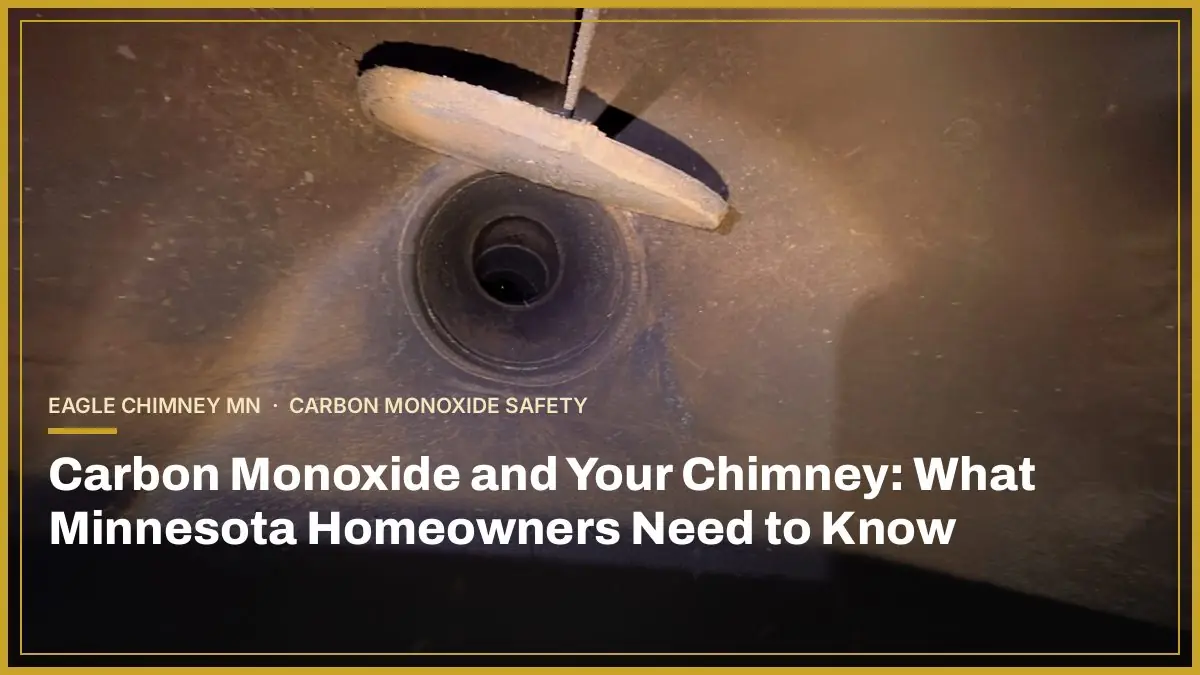
Carbon monoxide is colorless and odorless — and a blocked or damaged flue can push it into your home. How chimneys cause CO problems, and how to prevent them.
The short answer: a sound flue is a carbon monoxide safeguard
Every fuel-burning appliance in your home produces carbon monoxide — your fireplace, wood stove, furnace, boiler and water heater all make it with every burn. A healthy chimney is the safeguard: it carries those gases up and out of the house, every time, without you thinking about it. The risk starts when that path is blocked, cracked or drafting the wrong way, because carbon monoxide can then spill into living spaces instead of leaving through the flue. Minnesota raises the stakes. From November through March our heating appliances run for long hours, houses in Saint Paul, Minneapolis and across the Twin Cities stay closed up tight against the cold, and a venting problem that might be minor in summer becomes a nightly exposure. That is why an annual chimney inspection is not just about creosote — it is the main carbon monoxide prevention step most homeowners control.
How a chimney problem becomes a CO problem
There are a few predictable ways it happens. A blocked flue is the most common: a bird or raccoon nest from the summer, fallen debris, heavy creosote, or a section of liner that has collapsed can choke the passage gases need to escape. A cracked or deteriorated liner is quieter — gases leak through gaps into wall cavities and find their way into rooms, even while the fireplace seems to draw normally. Draft matters too. In a tight, well-insulated modern home, kitchen range hoods, bathroom fans and dryers compete for air, and that negative pressure can pull flue gases back down a cold chimney instead of letting them rise. And do not forget the flue nobody looks at: many Twin Cities furnaces and boilers vent through the same masonry chimney as the fireplace, so a blockage or liner failure can affect your heating system even on nights you never light a fire.
Warning signs — and why you cannot rely on them
Carbon monoxide is colorless and odorless, which is exactly what makes it dangerous: your senses will not warn you. Early symptoms of exposure — headache, dizziness, nausea and unusual tiredness — look a lot like the flu that circulates all winter, so they are easy to dismiss. There are physical clues around the appliance, though. Watch for soot staining above the firebox opening, a pilot light that keeps going out, heavy condensation on nearby windows when the heat runs, a fireplace that suddenly smokes or smells strange, or a chimney that drafts well on mild days and badly on cold, still ones. Treat any of those as a reason to stop using the appliance and book an inspection — not as quirks to live with. But do not rely on clues or symptoms as your protection. Detectors are the alarm that works while you sleep, which is when a venting failure is most dangerous.
What actually prevents it
Prevention is ordinary chimney care, done on schedule. Start with an annual Level 1 inspection of every flue in the chimney — fireplace, stove and furnace flues alike — so blockages, liner damage and draft problems are found before the heating season is underway. When an inspector cannot see enough from below, or when you are buying a home, have had a chimney fire, or suspect liner damage, a Level 2 video-scan inspection shows the inside of the flue directly. Keep the flue clear with a professional sweep whenever buildup calls for it, and keep it clear from the top with a sound chimney cap that keeps out animals, nests and debris. If a liner is cracked or failing, relining restores a sealed, correctly sized passage for gases to leave through. At home, burn only dry, seasoned wood, never leave a smoldering fire to choke in a cold flue, and if a fireplace drafts poorly, do not keep using it hoping it will improve — poor draft is the chimney asking for help.
Detectors, and the one rule that matters most
Fit carbon monoxide detectors on every level of your home, near sleeping areas, and on the same level as your fireplace and heating appliances, following the manufacturer's placement guidance. Test them monthly, replace batteries on schedule, and replace the units themselves by the date printed on them — sensors age out even when the test button still beeps. Saint Paul and Minneapolis housing stock includes plenty of century-old homes in neighborhoods like Highland Park, Como and Longfellow where an original chimney, a newer furnace and an older water heater may all share masonry that predates modern liner standards, which makes working detectors and a current inspection even more important. Here is the honest safety note, and the one rule that matters most: if a CO alarm sounds, or anyone in the house develops sudden headache, dizziness or nausea while appliances are running, get everyone — including pets — outside first and call 911. Do not stay inside opening windows, searching for the source, or resetting the alarm. Once emergency services have cleared the home, do not use the fireplace or heating appliance again until the chimney has been inspected. Call Eagle Chimney MN at (651) 565-6129 or request a free estimate through our contact form, and we will find what the flue is doing before the next fire is lit.
Need Help With This?
Our related service: Chimney Inspection — Detailed chimney inspections — including video scans — that identify creosote buildup, damaged liners, leaks and safety issues before they become expensive or dangerous.