Inside every masonry chimney is a liner — the channel that carries heat, smoke and gases safely out of your home while shielding the surrounding masonry and framing from that heat. When liners crack, gap or deteriorate, the chimney's safety system has a hole in it, even if the outside looks perfect.
Eagle Chimney MN relines chimneys across Saint Paul and the Twin Cities. Every relining conversation starts with a video inspection, so the recommendation is based on what your flue actually looks like inside — not on guesswork.
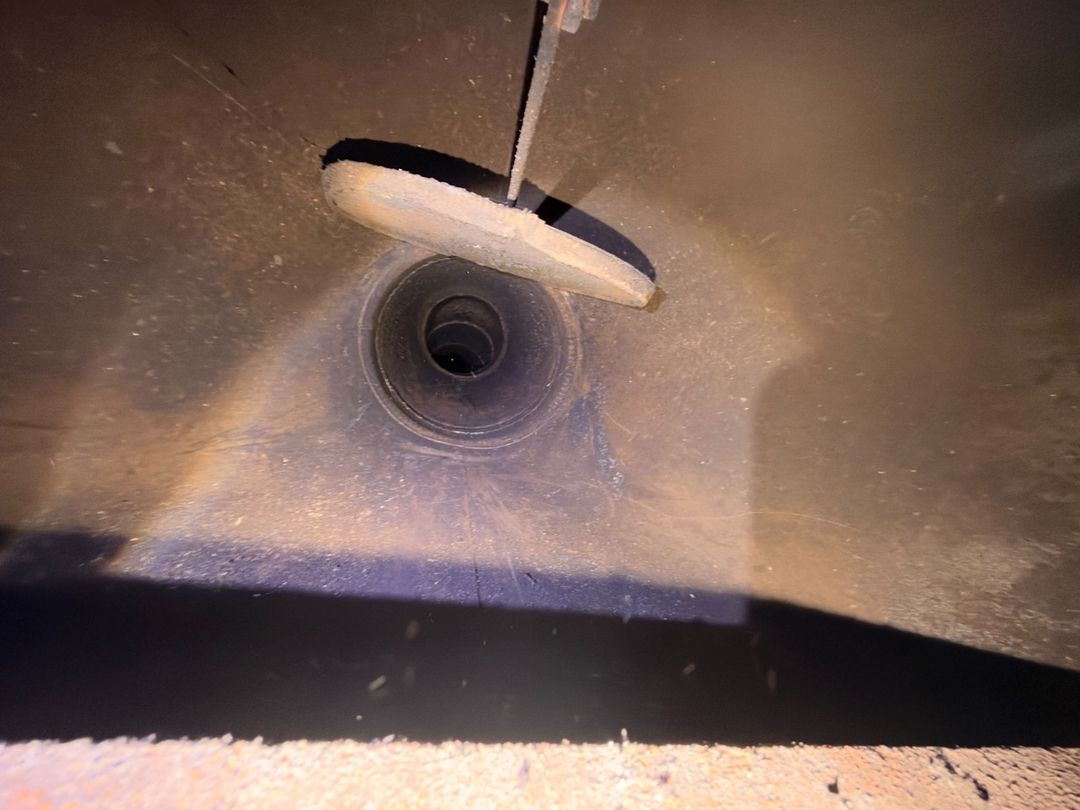
Signs a Liner Is Failing
- Cracked, displaced or missing sections of clay tile, seen on a video scan
- Pieces of tile or flue debris appearing in the firebox
- Excessive creosote buildup that returns quickly after sweeping
- Smoke or odor problems that drafting changes don't fix
- A chimney fire in the chimney's past — liner damage is common and hidden
- An older chimney built before liners were standard, or with a deteriorated parged lining
- A new appliance whose venting requirements don't match the old flue
Relining Options, Explained Plainly
There is no single right answer for every chimney — there are three main approaches, and the honest choice depends on your flue's condition, shape and what it vents:
- Stainless steel liner systems — a new, continuous metal flue installed inside the chimney, correctly sized for the appliance, insulated where required. The most common and versatile solution.
- Ceramic resurfacing systems (such as HeatShield) — a refractory coating applied inside the existing flue that seals cracks and joints and rebuilds a smooth, continuous surface, restoring clay tile liners that are damaged but structurally intact.
- Cast-in-place liners — a poured refractory lining formed inside the chimney, used where the flue's shape or condition calls for a structural rebuild of the channel itself.
What Relining Protects
A sound liner keeps flue gases — including carbon monoxide — inside the chimney and out of your living space. It keeps heat away from combustible framing, protects the masonry from the corrosive condensates in flue gas, and gives your appliance a correctly sized flue so it drafts the way it was designed to. If a video scan shows your liner is compromised, relining isn't an upsell — it's the repair that makes the chimney a chimney again.